A better question to ask about your workplace this year
What single change would make the biggest day-to-day difference?
January does this funny thing every year. We start with good intentions and a clean slate. New routines. Better habits. A promise to be more disciplined with time, energy, and attention.
Then work starts up again and reality arrives quickly. The inbox refills. Meetings multiply. Requests stack up. Everyone is “just chasing one thing”. Within a couple of weeks, most of those good intentions have been absorbed by the day-to-day.
Workplaces often do the same thing at the start of a new year. And 2026 is no different.
A new year prompts a reset: new processes, new cadences, fresh initiatives. More meetings, fewer meetings, different meetings. Better tools. New behaviours. The intent is right, but the outcome is usually predictable. Too many changes land at once, nobody has time to embed them properly, and the organisation drifts back to the default setting.
The real problem, personally and professionally, is rarely ambition. It’s focus. We try to fix everything, instead of fixing the one constraint that makes everything harder than it needs to be.
So here’s the better question to ask this year, if you’re responsible for a workplace:
What is the single change that will make the biggest, most immediate difference to how people work, every day?
Across the major workplace benchmarks, the most consistent answer is not a trend feature or a design statement. It’s this:
Make it genuinely easy for people to do focused work and handle confidential conversations without friction.
Not in theory. In practice.
A workplace where people can concentrate when they need to, take a sensitive call without improvising, and choose the right setting for the task. When that’s true, workplace experience rises. When it isn’t, everything else becomes noise.
Why focus is the highest-leverage change you can make
If you want to separate an average office from a high-performance workplace, look at one thing: how reliably the space protects attention.
Because attention is where quality lives.
When focus is fragile, you don’t just get “a bit less productive”. You get more errors, more rework, slower decisions, and a team that feels permanently slightly behind. It’s rarely dramatic. It’s steady. It accumulates.
And the data makes the gap hard to ignore.
Leesman, the world’s largest benchmark of employee workplace experience, found that workplaces with good variety are far more likely to be high-performing: 65% score strongly overall, compared with 17% where variety is poor.
That’s a big statement, so it’s worth being clear what “variety” means here.
Variety does not mean novelty. It does not mean adding more “stuff”.
It means people have the right settings available at the moment they need them. The practical outcome is simple: fewer workarounds, less friction, better focus.
The trap most offices fall into
A lot of workplaces are built around good intentions: openness, accessibility, quick collaboration.
But without the counterweight of privacy and focus space, those intentions turn into daily friction.
People take calls at their desks because there’s nowhere else. They do heads-down work in the middle of noise because the only quiet room is booked. They grab meeting rooms for solo work because it’s the only way to concentrate, then the team can’t find a room when it actually needs one.
In other words, the one change isn’t about making the office prettier. It’s about removing the conditions that make good work harder than it needs to be.
The one change, translated into something you can implement
The simplest way to make focus reliable is to stop asking one setting to do everything.
High-performance workplaces do not rely on discipline. They rely on design.
They give people a small, obvious menu of places to go, so behaviour is guided naturally.
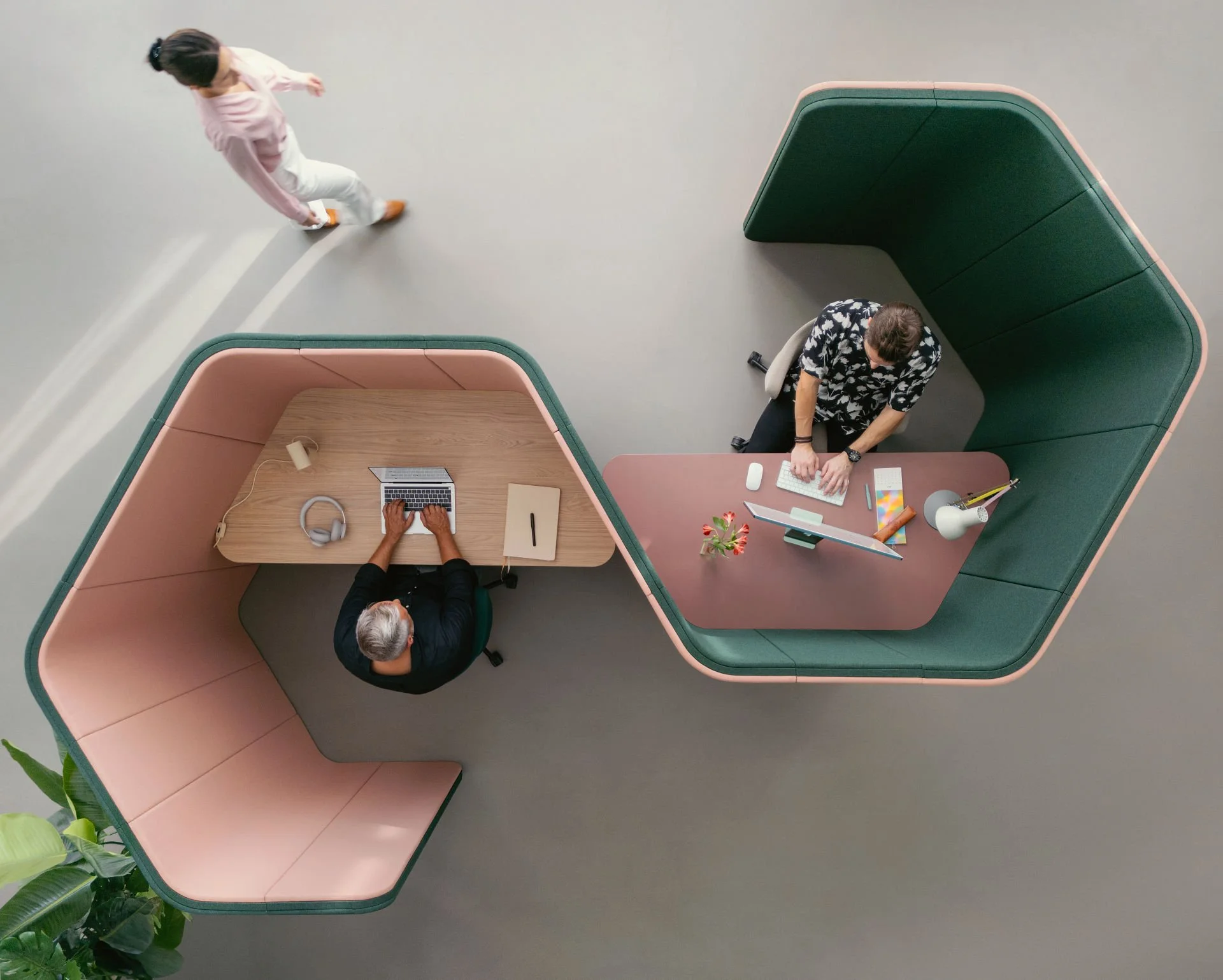
1) A real focus setting
Not “quiet desks”, but a space that’s quiet because it’s positioned and set up to be quiet.
Think: a library-style zone away from circulation, some acoustic separation, and clear signals that this is a heads-down environment.
You know it’s working when:
people can read, think, write and process without constant context switching
the quiet feels normal, not tense
you don’t need reminders or policing
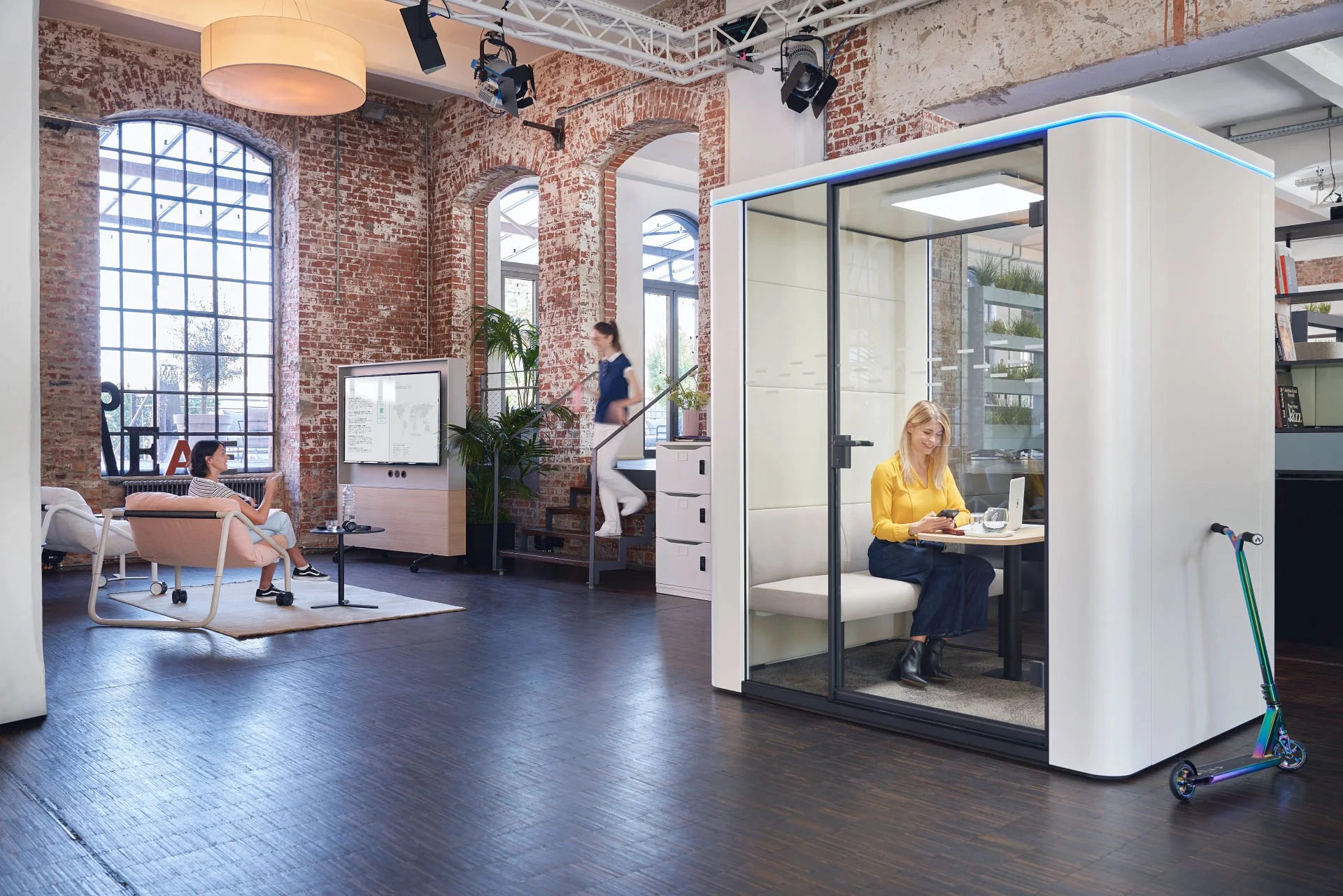
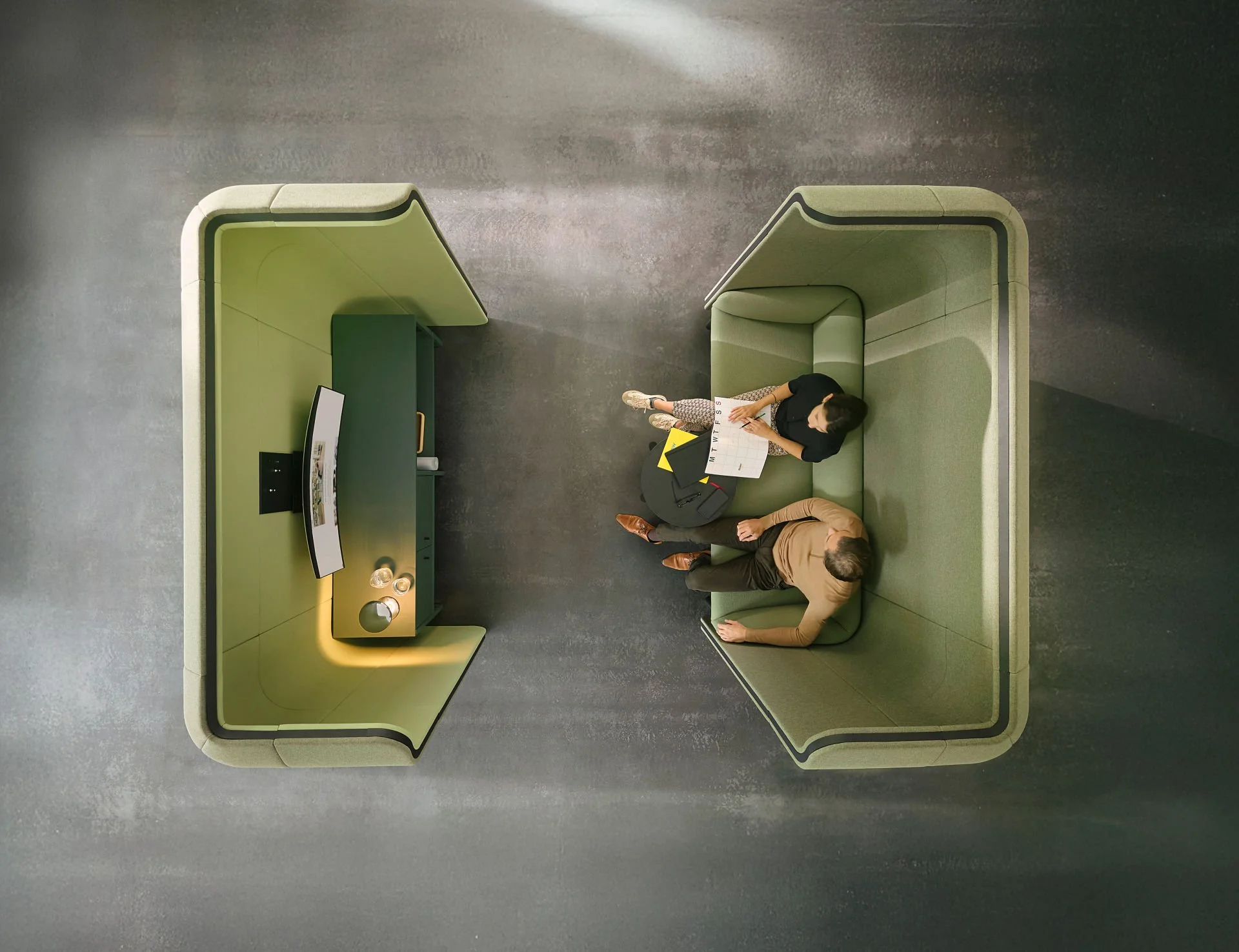
2) A proper place for confidential calls and conversations
This is the overlooked one. If the workplace doesn’t provide it, privacy gets improvised in corridors, desk clusters, and meeting rooms.
Think: phone booths, small enclosed rooms, or pods placed near the teams that actually use them, not hidden away where nobody goes.
You know it’s working when:
people stop apologising when they need to take a call
sensitive discussions happen in the right place without friction
meeting rooms stop being used as phone booths
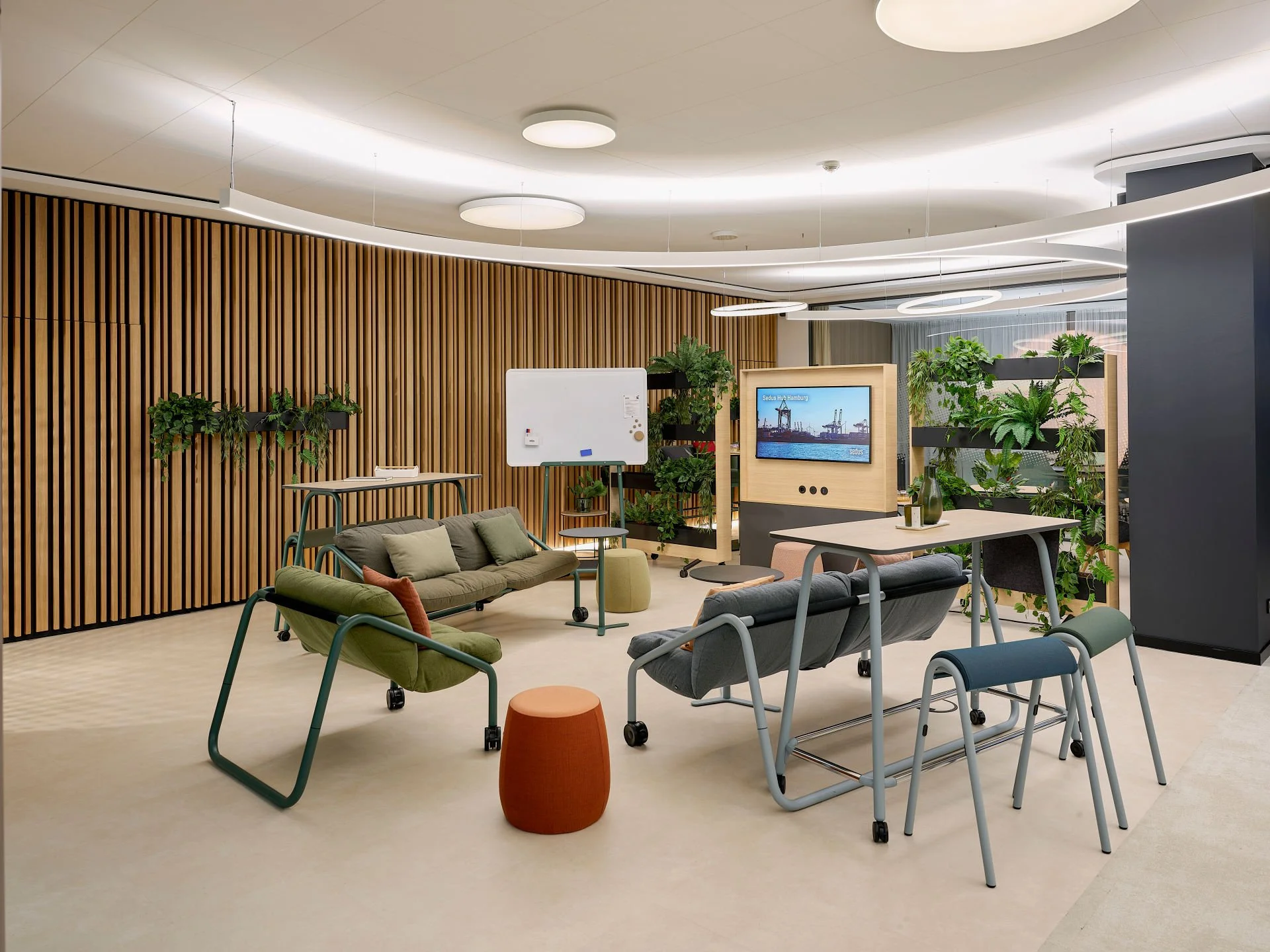
3) A place for discussion that doesn’t disrupt focus
This isn’t “collaboration for the sake of it”. It’s giving talk a home, so it doesn’t spill everywhere.
Think: huddle points, writable surfaces, informal seating, and zones positioned so discussion stays productive without becoming a floor-wide distraction.
You know it’s working when:
quick chats don’t automatically become a wider interruption
teams can huddle without hijacking meeting rooms
the office feels calm even when it’s busy
This is also where the better workplaces pull ahead. Gensler’s 2025 Global Workplace Survey found employees with a high degree of choice in where and how they work are 2.5x more likely to say their workplace supports both individual and team productivity, and nearly 3x more likely to consider their office a great place to work.
Choice sounds like a soft idea, but in practice, it’s concrete: give people the right places, and performance follows.
A quick test: find your focus friction in 30 minutes
Ask three questions and don’t overthink the answers:
Where do people go when they need to concentrate for an hour?
Where do people go for a confidential call?
Where does “quick discussion” happen today, and who does it interrupt?
If the answers are vague, inconsistent, or slightly uncomfortable, that’s your biggest win this year.
The phase one move that makes a difference without a full refurb
You don’t need to redesign an entire floor to change the experience of work. You need to make focus and privacy dependable.
A sensible phase one looks like this:
create one genuinely quiet focus zone in the right location, away from circulation and social points
add private call capacity where it’s actually used, not where it’s easiest to squeeze it in
relocate or reshape talk zones so discussion stays productive without disrupting concentration
Do those three and something shifts quickly: people stop improvising, the office feels calmer, and work gets easier.
Why this matters even more in Guernsey and Jersey
In the Channel Islands, most teams are in the office regularly. The challenge isn’t attendance.
It’s quality.
If the workplace supports concentration and confidentiality, it supports the kind of work many local businesses rely on: careful thinking, accurate delivery, client trust, and decisions made with confidence.
If it doesn’t, the cost shows up quietly, every day.
If you want help
POS supports organisations across Guernsey and Jersey with workplace strategy, furniture and fit-out delivery.
Contact us if you want to target one change this year that actually sticks, start with focus and confidentiality. We can help you pinpoint the friction in your current setup and put together a simple phased plan, with budget ranges, that improves the day-to-day experience without overcomplicating the space.
More Insights